- Both officials exchanged views on regional trends as well as ongoing efforts to ‘advance political, diplomatic solutions’
- The development comes after US Treasury Secretary Scott Bessent threatened ‘the toughest sanctions in history’ on Iran
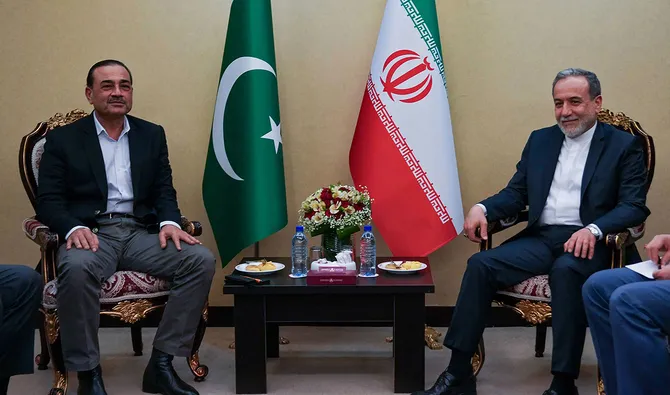
ISLAMABAD: Iran’s Foreign Minister Abbas Araghchi and Pakistan’s defense forces chief, Field Marshal Asim Munir, discussed regional developments and efforts to advance diplomatic solutions, Iranian state media reported on Sunday, as Washington plans to announce new sanctions targeting Tehran.
After nearly six months of war since the US and Israel launched airstrikes against Iran on February 28, the sides are not firing at each other but also showing no sign of pursuing peace talks.
Oil shipments are at a virtual standstill in the Strait of Hormuz, with Tehran threatening to strike any unauthorized oil tankers that try to transit the vital waterway, and Iran’s economy is already under immense pressure from sanctions.
Pakistan, which helped broker an interim US-Iran peace deal in June, has been engaged with the leaderships of the US and Iran in efforts to broker peace between the two countries since their conflict broke out in February this year.
“During the telephone conversation, both sides reviewed the latest regional developments and discussed various dimensions of the current situation,” Iran’s state-run IRNA new agency reported, following telephonic conversation between FM Araghchi and Field Marshal Munir.
“The two sides also exchanged views on diplomatic trends, ongoing efforts to advance political and diplomatic solutions, and ways to enhance bilateral consultations and cooperation.”
This is the second time Araghchi has spoken to Munir, who emerged as a key figure in US-Iran negotiations, about regional developments in less than a week.
The development comes after US Treasury Secretary Scott Bessent threatened “the toughest sanctions in history” on Iran. He has also urged cooperation with Washington by China, which buys more than 80 percent of Iran’s shipped oil, according to 2025 data from analytics firm Kpler. Beijing has urged diplomacy.
Iran’s Foreign Ministry spokesperson, Esmaeil Baghaei, said on Saturday the imminent US announcement of new economic sanctions was an “assertion of extraterritorial sovereignty over every independent member state of the United Nations.”
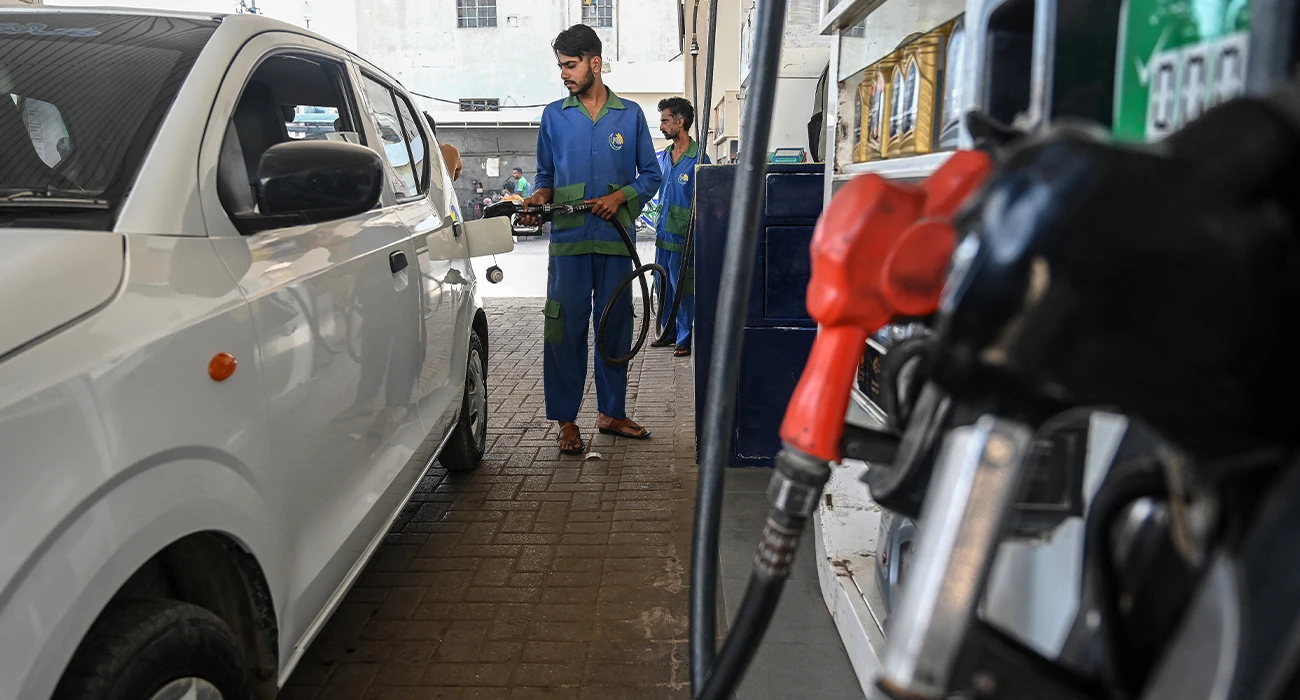
The US-Iran war has driven oil prices higher and created inflationary pressures, especially for countries like Pakistan who heavily depend on the Middle East for their fuel needs. Iran has frequently attacked its neighbors in its Gulf region since the war began, firing missiles and carrying out drone attacks the UAE, Saudi Arabia, Kuwait, Bahrain, Qatar and other countries.
Islamabad has repeatedly called for diplomacy to resolve the conflict and said last week it was making “all-out efforts” through direct and indirect channels to bring Washington and Tehran back to the negotiating table.