- UN agency records 187,547 facilitated and 119,953 spontaneous returns through July
- Around 1.6 million refugees and Afghans of other statuses remain in Pakistan
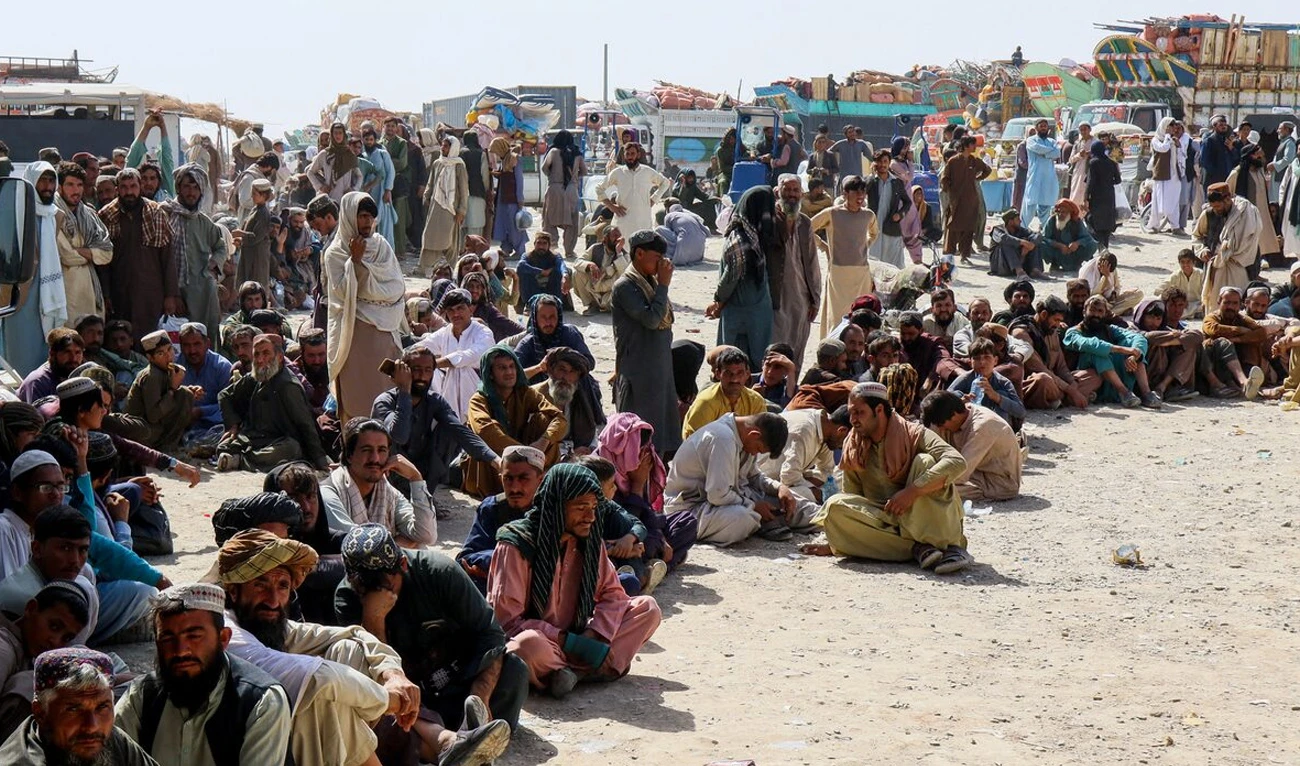
ISLAMABAD: More than 300,000 Afghans returned from Pakistan in the first seven months of 2026, latest UN refugee agency data shows, as Islamabad presses ahead with a years-long campaign to repatriate Afghans living in the country.
A UNHCR population snapshot dated July 31 recorded 187,547 facilitated returns and 119,953 spontaneous returns so far this year, bringing the combined figure to 307,500. That is nearly as many as the 312,750 facilitated and spontaneous returns recorded during all of 2025.
Pakistan has hosted millions of Afghans since the Soviet invasion of Afghanistan in 1979, through subsequent decades of war and the Taliban’s return to power in Kabul in 2021.
Islamabad began a nationwide repatriation campaign in late 2023, initially ordering undocumented foreigners to leave. The drive has since been expanded to include Afghans carrying government-issued documentation that had previously allowed them to remain in Pakistan.
Pakistan’s Afghan population is divided into several legal and documentation categories. The best protected have traditionally been holders of Proof of Registration, or PoR, cards, documents issued by the Pakistani government to Afghans formally registered as refugees. The latest UNHCR data puts this group at around 739,000.
A separate group holds Afghan Citizen Cards, or ACCs, identification documents issued by Pakistani authorities during a registration exercise for Afghans who were not registered as refugees. UNHCR says around 666,000 ACC holders remain in Pakistan. Another estimated 159,000 Afghans are undocumented.
The government first focused its repatriation campaign on undocumented Afghans before expanding it to ACC holders, significantly widening the number of people liable to leave the country.
The latest UNHCR snapshot puts the total number of refugees and Afghans of other statuses remaining in Pakistan at approximately 1.6 million. That includes around 776,000 registered Afghan refugees, 666,000 ACC holders and 159,000 undocumented Afghans.
The figures illustrate the scale of a population that has been part of Pakistani society for decades. Around three-quarters of registered refugees and asylum seekers live outside designated refugee villages rather than in camps or settlements.
Women and children account for 77 percent of the registered refugee and asylum-seeker population, while almost half, 48 percent, are children aged five to 17, according to UNHCR. Eight percent are classified as people with specific needs.
The largest concentration is in Khyber Pakhtunkhwa, the northwestern province bordering Afghanistan, where UNHCR records 430,964 registered refugees and asylum seekers. Balochistan, which also shares a long border with Afghanistan, hosts 250,239.
Pakistan says its repatriation policy is necessary because of security and economic pressures associated with hosting a large Afghan population for decades. Afghan authorities, the United Nations and rights groups have raised concerns over the scale and pace of returns and the conditions facing people sent back to Afghanistan.
The returnees are arriving in a country grappling with widespread poverty, limited employment opportunities and pressure on housing and basic services, increasing concerns about Afghanistan’s capacity to absorb large numbers of people returning from Pakistan and neighboring Iran.
The July UNHCR figures show that facilitated and spontaneous returns from Pakistan during the first seven months of 2026 were already close to the combined total recorded during the whole of last year.