- Petrol falls to Rs387.54 ($1.40) per liter while diesel drops to Rs402.24 ($1.45) from Wednesday
- Latest reductions offer limited relief as Gulf shipping disruptions keep fuel costs above prewar levels
KARACHI: Pakistan cut petrol and diesel prices again for Wednesday, offering motorists modest relief, but petrol remains about 46 percent more expensive than before the US-Iran war disrupted Gulf energy supplies in February.
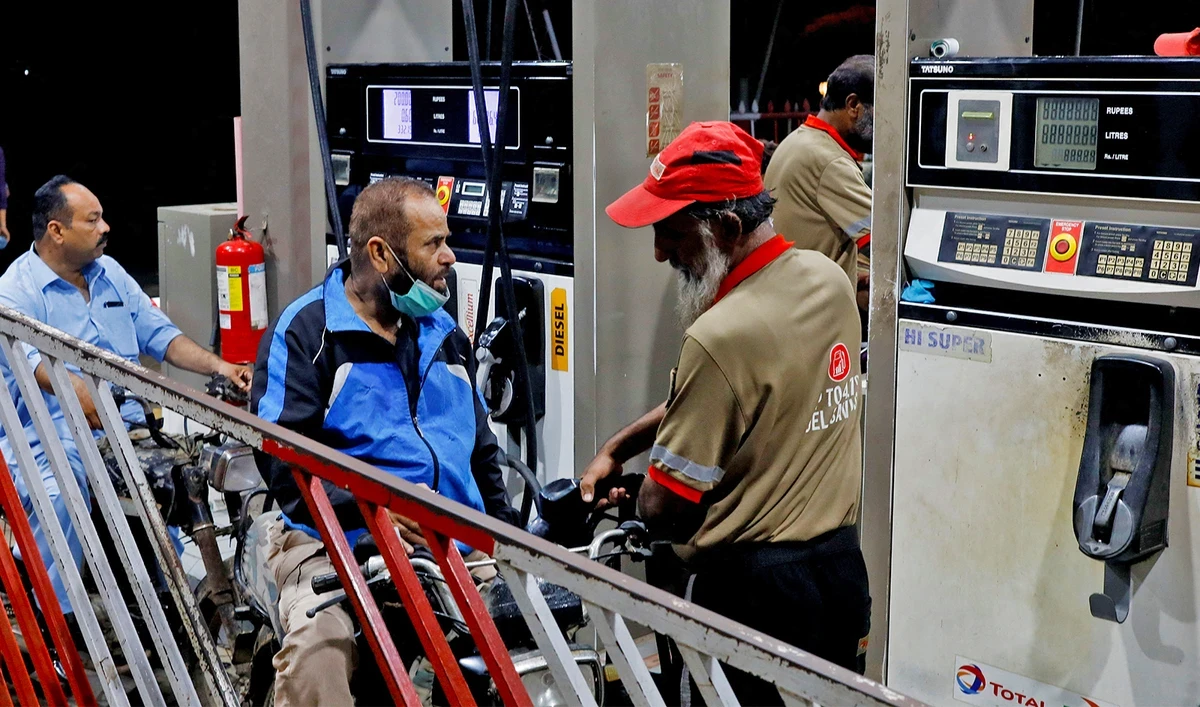
Petrol fell by Rs1.49 ($0.005) to Rs387.54 ($1.40) per liter, while high-speed diesel declined by Rs2.73 ($0.01) to Rs402.24 ($1.45), according to a Petroleum Division statement issued Tuesday.
Before the war began on Feb. 28, petrol cost Rs266.17 ($0.96) per liter and diesel Rs280.86 ($1.01). The new rates are approximately 45.6 percent higher for petrol and 43.2 percent higher for diesel, leaving substantial additional costs for motorists and businesses transporting goods.
Pakistan depends on imported oil and refined fuels, making it vulnerable to disruption in Gulf supplies. The war, which began with US and Israeli strikes on Iran, has restricted shipping through the Strait of Hormuz, the narrow passage connecting the Gulf to the open sea through which about a fifth of global oil supplies passed before the conflict.
“The change in price is necessitated by global events including changes in Platts rates, premiums, incidentals etc.” the Petroleum Division said, referring to international fuel-price benchmarks and additional procurement costs.
The reductions follow Tuesday’s cuts of Rs2.27 ($0.008) per liter for petrol and Rs3.56 ($0.013) for diesel.
Pakistan now reviews fuel prices daily using a seven-day rolling average of international prices, allowing changes in import costs to feed through more quickly.
Despite the latest domestic reductions, international energy supplies remain under pressure. The International Energy Agency latest available figures show oil flows through Hormuz averaged 7.6 million barrels a day in August, about 13.1 million below their prewar level.
Saudi Arabia and the United Arab Emirates have diverted some exports through pipelines and ports outside the strait, while producers elsewhere have increased output. Emergency stock releases and weaker demand have also helped offset losses but renewed attacks have constrained alternative routes, the agency said.
The Pakistani government is separately offering targeted petrol subsidies to lower-income motorists. Eligible motorcycle and rickshaw users can receive Rs500 ($1.80) in weekly relief, while owners of cars with engines of up to 800cc qualify for Rs1,000 ($3.61) every 10 days.
The scheme uses registration and digital tokens redeemed at participating filling stations. Those discounts reduce eligible customers’ bills but do not alter the national fuel prices used to calculate the increases since the war began.