- Pakistan imports more than half the LPG it uses and has directed four state companies to buy the fuel in bulk
- Cylinder prices surged after October disruptions to overland imports from Iran, some deliveries later resumed
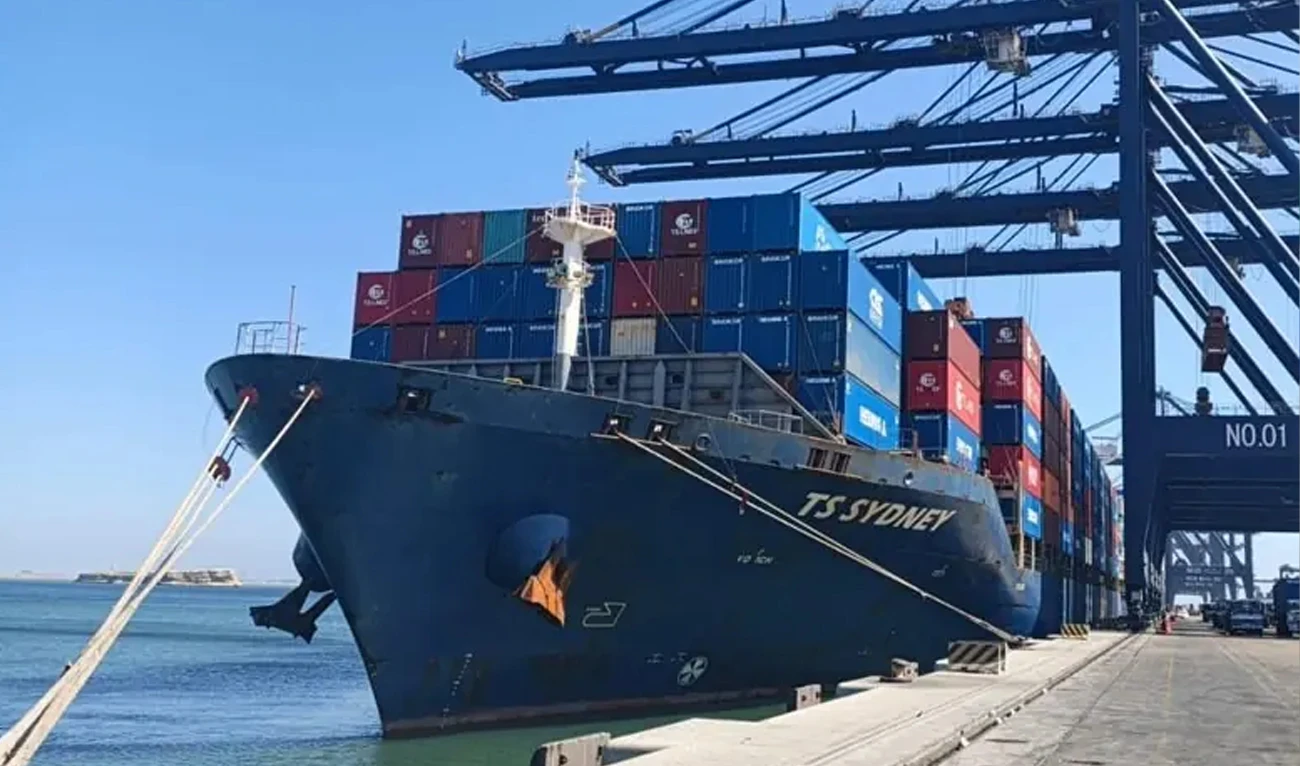
ISLAMABAD: Pakistan’s petroleum ministry said on Wednesday a state-owned company had imported a “record” 15,000 metric tons of LPG, the first major shipment under new rules introduced after October border closures disrupted supplies from Iran.
Pakistan consumes about 2.4 million metric tons of liquefied petroleum gas, or LPG, a year and imports more than half of it, Petroleum Minister Ali Pervaiz Malik said earlier this month. Households without reliable piped gas depend on cylinders for cooking and heating, making them particularly vulnerable to shortages as temperatures fall.
That vulnerability was exposed in October when Pakistan suspended trade at two crossings with Iran, interrupting a major overland supply route.
Traders told Reuters the price of a 12-kg cylinder rose from Rs4,500 ($16) to Rs7,000 ($25) within days. LPG trucks began moving again through the Gabd-Rimdan crossing a week later, though it was unclear whether deliveries had returned to previous levels. The cabinet directed four state companies to buy LPG in bulk earlier this month.
“The shipment marks the first major import under the new LPG guidelines aimed at ensuring the availability of LPG at affordable rates for the public,” the petroleum ministry said in a statement.
SSGC LPG Limited imported the fuel, which arrived at the Engro Vopak terminal at Port Qasim near Karachi. The ministry described it as the largest cargo of its kind but did not name the supplier or identify the country of origin.
The ministry said the previous pricing rules had discouraged state companies from importing LPG because they could not recover what they paid to buy it. The revised rules are intended to make bulk purchases viable and give Pakistan more options when supplies are disrupted. Earlier this month, Malik identified Saudi Arabia and Oman as potential suppliers.
The cargo is equivalent to a little more than two days of Pakistan’s average LPG consumption, based on Malik’s annual estimate.
The ministry expects more shipments in the coming weeks and says additional supplies could ease prices and improve availability in remote and mountainous areas. It gave no timetable for the next deliveries or figures showing whether cylinder prices had fallen